


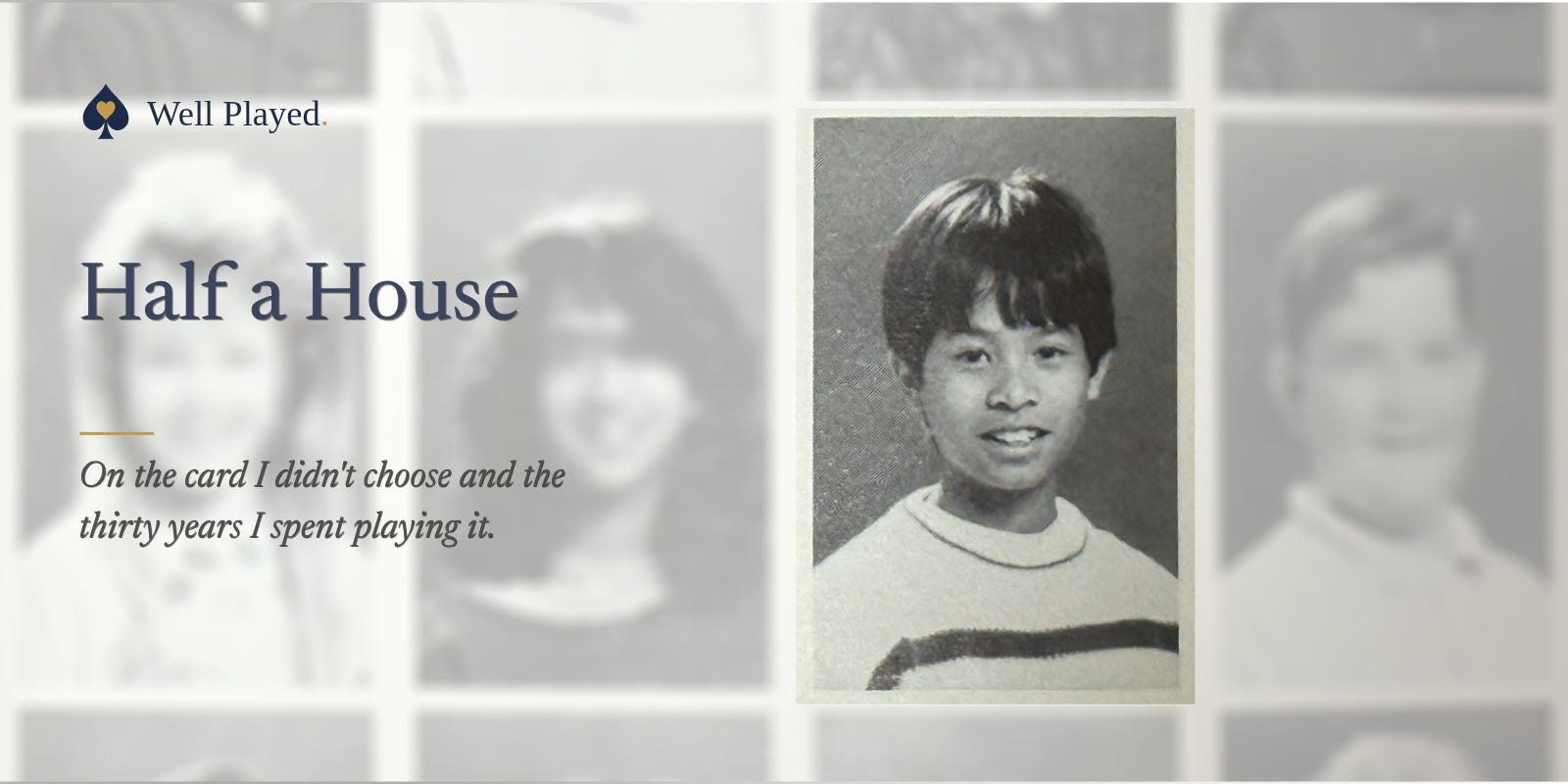
Field Note No. 4
At 12, my world had three concerns: getting good grades, playing well at baseball, and conquering Super Mario. (Bowser, I could handle.)
But sometimes it doesn’t matter how old you are. Life deals you a card anyway.
I remember coming home from school and finding both of my parents at the dining room table. That alone was strange. Dad was supposed to be at work. They sat us down, and my mom said, “Kids, we have some news. First, we want you to know that none of this is your fault. We’ve decided to get a divorce.” Dad would live somewhere else. Mom would stay with us. The house would probably have to be sold.
I remember thinking, did that really happen? Am I hearing what I think I’m hearing? I knew divorce existed. It happened to other families, families I heard about. Now it was happening to us. To me.
My mom asked if we had any questions. We asked a few logistical ones, gave them blank stares, and went on with our evening. Somewhere in that blur, I told myself four words:
I can handle this.
Here’s the thing about getting dealt a hard card. It comes with a decision nobody tells you you’re making: what it means. That was my first reading of this one, the meaning I assigned before I knew I was assigning anything.
It took me thirty years to read it again.
My mom told us things would be hard for a while, then get better. She was right about the first part fast. We sold our four bedroom house and moved into one about half the size. Same school district, thank goodness, but everything else flipped. Middle school, family split, living space cramped, budgets appearing in conversations where they had never existed. Before that year, we were comfortable. After it, I felt the contraction everywhere. It was suffocating.
So I did what a 12 year old does with a card like that. Head down. Grades up. Stay invisible, avoid the bullies. Video games, a few close friends, and yes, fire.
And I watched.
I watched my dad’s version of the American dream shatter. I could see it in his face and his body before I had words for it. He entered a dark period I wouldn’t fully understand for decades. I watched my mom go back to work, juggle everything, and hold us together anyway. She taught me empathy and presence without ever teaching a lesson. I grew up in about eighteen months.
And somewhere in that contraction, I made a vow: I would do whatever it took to get rich, early.
I started studying the people who seemed to have escaped gravity. Uncles who built businesses or owned real estate, for whom work looked optional. Both of my parents were grinding, and some of their siblings had what looked like unlimited freedom. I couldn’t explain the difference yet. I just knew which side of it I was determined to end up on.
Here’s the part that took me thirty years to see.
The vow worked. I studied, I built a company, I sold it, and I walked away at 36. By every scoreboard I grew up with, the 12 year old’s plan succeeded completely. But when I finally re-read the card, from the far side of the finish line, I saw what I had actually written at that dining room table.
The vow was never about getting rich. It was about making sure no one could ever cut my house in half again.
That’s not ambition. That’s armor.
A 12 year old’s play for certainty, run so long and so well that it kept running after the game was won. If you’ve ever wondered why someone with enough still checks the numbers, still optimizes, still braces for the contraction, I can tell you. Some of us were handed that card before our first paycheck.
The re-reading changed how I saw my parents too. They were both playing dealt hands of their own. My dad had been taught to judge a life by its outcomes: the house, the intact family, the dream. When the outcomes broke, he broke with them for a while. My mom judged differently. She told two kids at a dining table that things would get better, and then she went out and played her hand until it was true, at least in the areas that mattered to her (like dancing!).
Same deal. Two ways of holding it. I learned a lot by watching how others played their hands, and then created my own way of playing.
That’s the whole philosophy I try to live now, and it fits in one sentence: judge your life by the quality of your play, not the luck of your draw. The draw was never yours. The play always was.
I can finally look at that 12 year old and grade his play instead of his card. Head down, grades up, empathy learned, vow made. For a kid holding that hand? He played it beautifully. And because he did, I can thank him, and I can finally set his vow down.
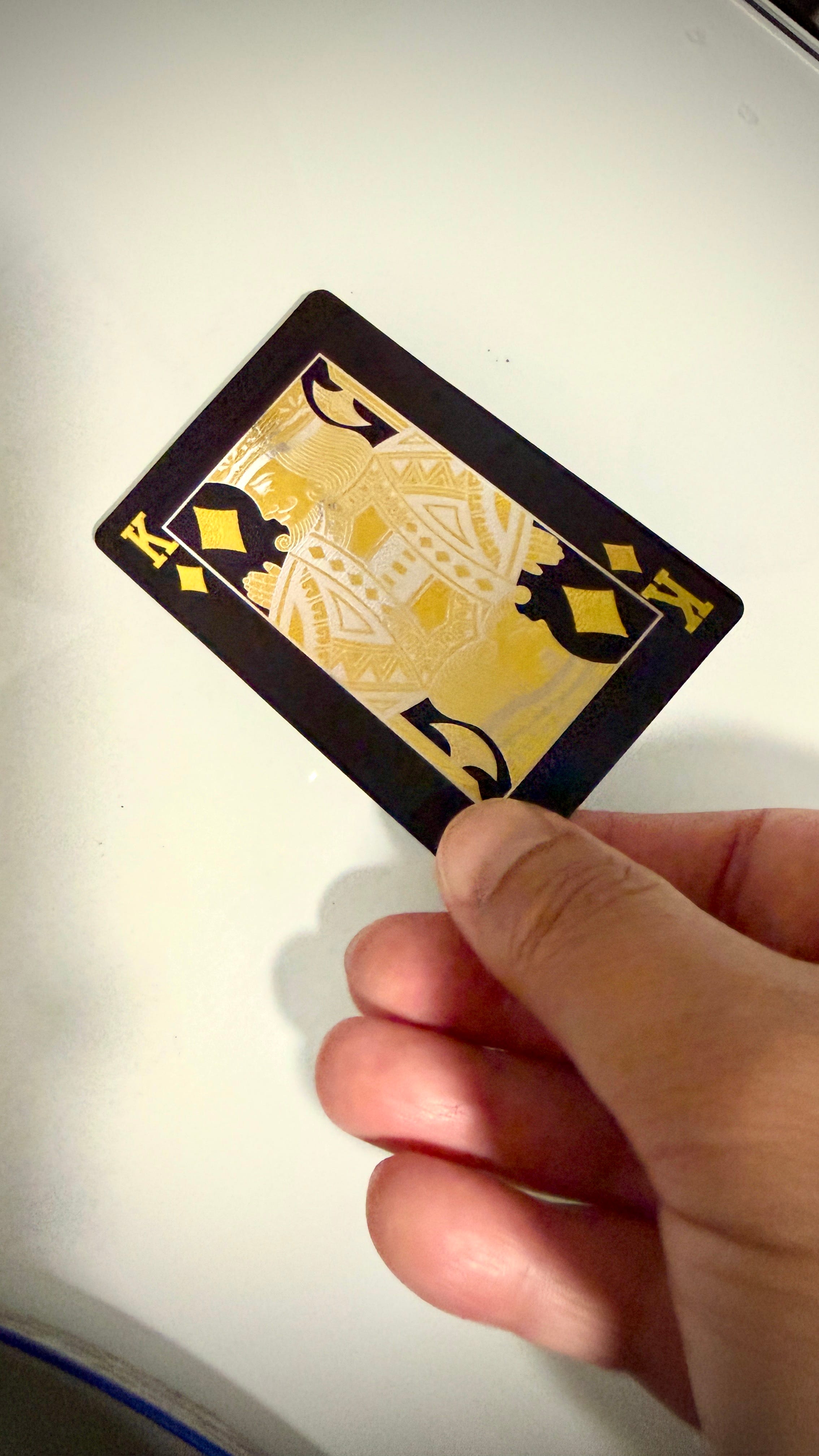
It protected me for thirty years. It’s not the game anymore.
So here’s my question for you. What’s the card in your hand you’ve been treating as a verdict instead of a deal? And if you re-read it today, how would you grade the play, not the draw?
Hit reply or leave a comment. I read every one.
Now go build a life that earns those two words.
Well played,
Michael
P.S. Freedom isn’t the finish line. It’s how you play the game.